
REVIEW · JASPER
Jasper: Jasper Planetarium Dark Sky Experience
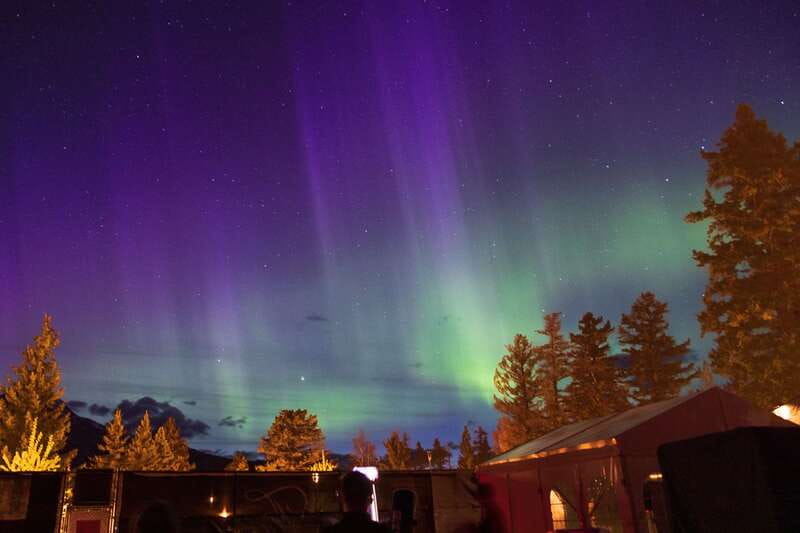
Jasper’s big night-sky experience combines a planetarium dome show, optical telescopes, binocular viewing, and a guided walk beneath the stars. The strongest part is the progression from learning what to look for, to spotting constellations and deep-space objects with your own eyes.
I like the supplied binoculars, which make the final outdoor session active rather than a simple lecture. I also like the two-year rain check, a useful safeguard in the Rockies, where clouds can erase the best part of an astronomy evening.
The weak point is clear: cloud cover can change the tour completely. The planetarium and talks still go ahead, but the telescope and dark-sky sections may be limited. At $102 per person, that matters, especially if your main goal is a close look through a large telescope.
Key points
- Three-part format: Planetarium theatre, optical telescopes, then a constellation and binocular walk.
- About 480 metres on foot: The selected dark-sky site is within walking distance of the Main Lodge.
- Local sky stories included: Guides cover Indigenous constellations as well as familiar Western star patterns.
- Weather protection: The planetarium and telescope presentation can continue when clouds interfere with outdoor viewing.
- Two-year rain check: You can return at no extra charge for any part of the experience that was not clear.
- Strict timing: Check in 15 minutes early, because late arrivals are not admitted once the tour begins.
What the Jasper Planetarium experience is really like
This is the most complete astronomy outing offered by the Jasper Planetarium. You spend about three hours moving through several ways of seeing the night sky, from a guided indoor presentation to naked-eye constellations and binocular targets outside.
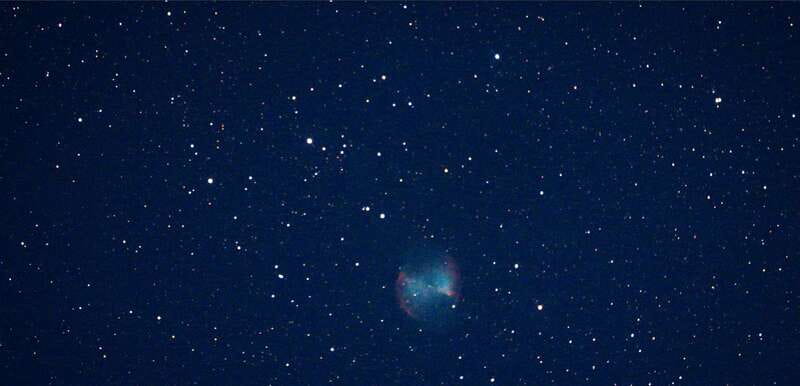
That variety is important. Astronomy can be hard to follow when someone points at a dark sky and names objects you cannot yet find. Here, the indoor session gives you a starting point. The guides explain planets, nebulas, and other deep-space objects before asking you to recognize them in the real sky.
The program is conducted in English and is open to all ages except children under four. Children under four cannot enter the dome theatre, and unaccompanied minors are not permitted. The experience is not suitable for people with mobility impairments, since you walk from the lodge to a separate viewing site.
More Observatory and Telescope Tours in Canada:
- Planetarium and Telescope Combo Tour
★ 4.0 · 144 reviews - Jasper: Jasper Planetarium and Telescope Combo Tour Tickets
★ 3.8 · 118 reviews - Jasper: Planetarium Indoor Dome Experience
★ 3.9 · 8 reviews
Starting inside the dome theatre
Check in at the Planetarium Retail Desk inside the Main Lodge at Jasper Park Lodge. Walk past the front desk, and you’ll find the retail desk in the southwest corner of the lobby, across from the Emerald Lounge.
You need to arrive 15 minutes before departure. This is not a casual suggestion. Late arrivals are not admitted because they interrupt the presentation, and you may be moved to the next available departure, possibly on another day.
The dome theatre is the first major part of the evening. It is designed to show the scale of space in a way that is easier to grasp than a talk alone. You learn about planets, nebulas, and distant objects before looking for them outdoors.
One practical point: the physical setup may not match every visitor’s idea of a permanent planetarium building. A booking in September 2025 described the theatre as being set up in a tent in the Jasper Park Lodge parking area. The official experience still includes the Planetarium Dome Theatre, but if a grand, permanent astronomy hall is part of your expectation, keep the setting in mind.
Photography and audio recording are not allowed inside. Food and drinks are also prohibited, along with smoking, vaping, alcohol, drugs, and attending while intoxicated.
Telescopes, clouds, and realistic expectations
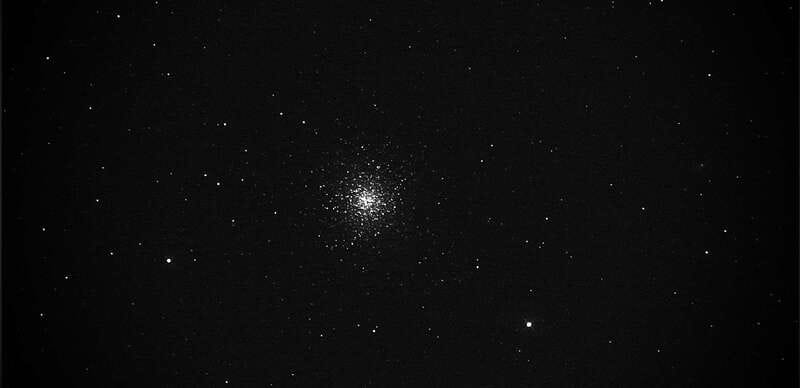
After the dome presentation comes the telescope portion. You’ll have access to optical telescopes, and the guides explain what you are seeing through them. The experience may also include video telescopes, based on the way the equipment has been presented during recent tours.
This is where weather becomes the deciding factor. If the sky is clear, the telescope session can give you a sharper look at selected astronomical objects than your eyes can manage alone. If cloud cover moves in, the guides may still demonstrate equipment and explain the night sky, but you may not get the close views you came for.
One important caution concerns the phrase weather-proof telescope experience. It means the telescope portion has an indoor or protected presentation element, not that clear views are guaranteed in bad weather. A cloudy sky can block the actual objects.
The experience provider offers a two-year rain check for any parts that are not clear on the night of your visit. That is unusually helpful for an astronomy booking. If clouds prevent the dark-sky walk or telescope viewing, you can return at no extra charge for the missed portions.
Still, a rain check is not the same as a successful evening. If your schedule allows only one night in Jasper, check the forecast before booking and understand that the indoor portion may be the main event.
Walking to the selected dark-sky site
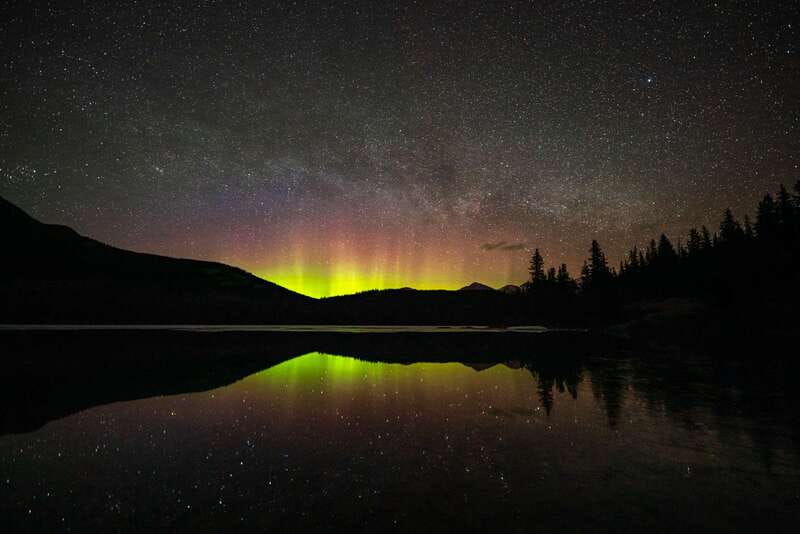
At some point, a dark-sky guide makes an announcement and leads the group to a specially selected viewing area about 480 metres away. The distance is modest, but you should treat this as an outdoor walk, not a quick step outside the lodge.
Wear weather-appropriate clothing. Mountain evenings can feel cold, and you may spend time standing still while looking up. The tour does not include food or drinks, so plan your meal before check-in and follow the restrictions inside the planetarium area.
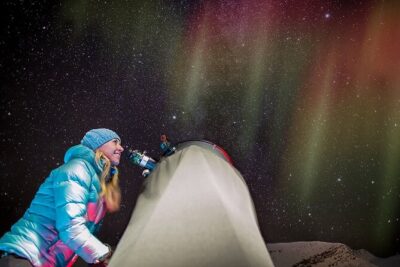
The outdoor site gives the evening a welcome change of pace. Instead of watching a screen or waiting for a telescope, you look at the actual sky over Jasper. The guide uses a laser to point out naked-eye constellations, helping you connect the patterns in the sky with the objects discussed earlier.
The quality of this section depends almost entirely on cloud cover. Under a clear sky, it should be the most memorable part for anyone who wants to understand the stars rather than simply hear facts about them. Under heavy cloud, the tour can become a talk about what would normally be visible.
More Stargazing Tours in Canada:
- Banff: Guided Sunset and Stargazing Tour
★ 4.9 · 262 reviews - The Banff Stargazing Tour – 2hr Walking Tour
★ 5.0 · 189 reviews - Sunset at Moraine Lake & Stargazing Tour from Canmore/Banff
★ 5.0 · 95 reviews - Banff OR Moraine Lake: Night Tour with possible Stargazing
★ 4.6 · 83 reviews
Using binoculars to find the Milky Way
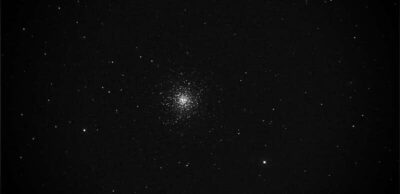
The binocular section is a smart part of the program because it gives you something to do. The Planetarium supplies binoculars, and the guide leads you toward the Milky Way and selected deep-space objects.
Binoculars are useful for beginners. They show more stars than your eyes can see while keeping the view broad enough to understand where you are looking. A telescope can provide a more magnified image, but it can also feel detached if you only take a quick turn at the eyepiece. With binoculars, you learn together with the rest of the group and begin to connect a constellation with the space around it.
The guide may continue the telescope session first, then move to constellations and binocular targets, if conditions permit. That order makes sense. You start with help, then try to recognize the same parts of the sky without the indoor screen.
Clouds can again reduce this section to explanation rather than observation. If the sky is not clear, the two-year rain check becomes the main value protection.
Indigenous constellations add local context
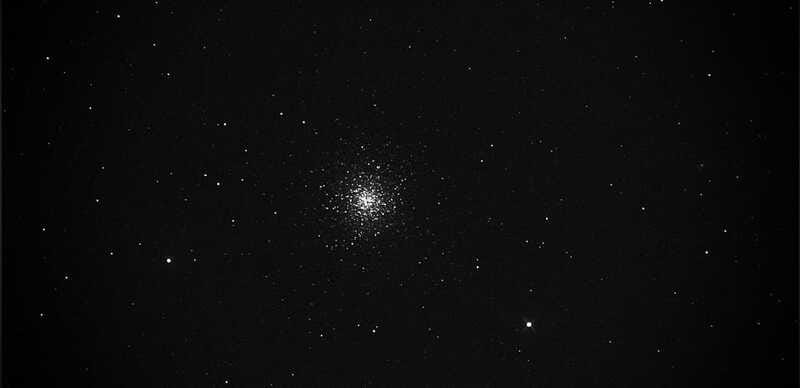
The program includes local Indigenous constellations, which gives the night sky a stronger connection to Jasper and Alberta. This matters because star knowledge is not limited to the familiar Western patterns printed in many guidebooks.
You hear how people in the region have interpreted the sky, and you get a wider sense of how constellations can reflect culture, place, and shared knowledge. The supplied details do not name the specific Indigenous nations or constellations covered, so you should ask your guide for those details during the Q&A.
The question period is one of the better reasons to choose a live tour over a self-guided stargazing stop. You can ask about an object you have just seen, how to identify a planet, or why a certain constellation matters. The guides have been praised for making the subject fun and accessible, including for a small family group with two children.
How the guides shape the evening
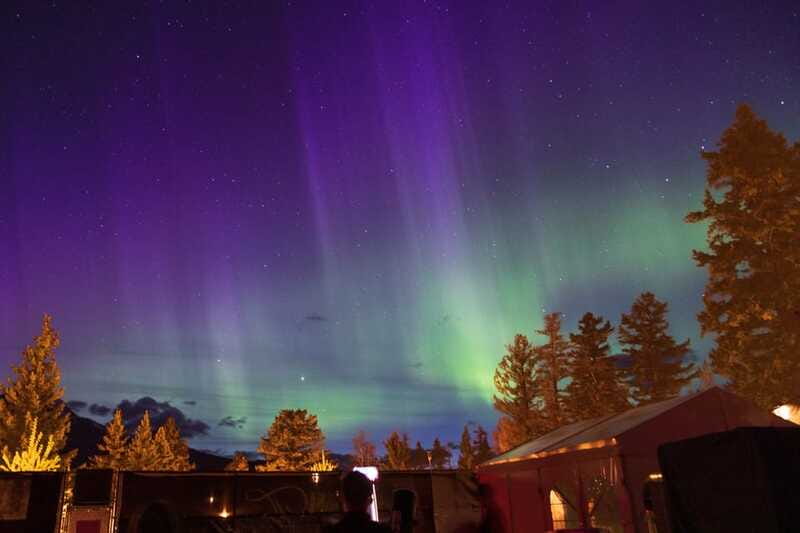
The guides are central to the value here. Their job is not only to identify stars but to keep a mixed-age group involved across three hours.
The strongest feedback has focused on the friendly, informative approach. One family found that the team gave the same energy to a small group of four as it would to a larger crowd. That is encouraging if you worry that a low booking count will make the tour feel flat.
The style may suit you if you enjoy learning through questions, demonstrations, and simple explanations. It may suit children especially well, since the planetarium format and binocular activity give them more to watch and do.
On the other hand, adults who already know basic astronomy may find the dome portion introductory. One recent assessment found the planetarium material familiar, while the telescope demonstration and final sky tour provided more interest. If you are an experienced amateur astronomer, ask yourself if you want a guided overview or a specialist observing session.
Is $102 per person a fair price?
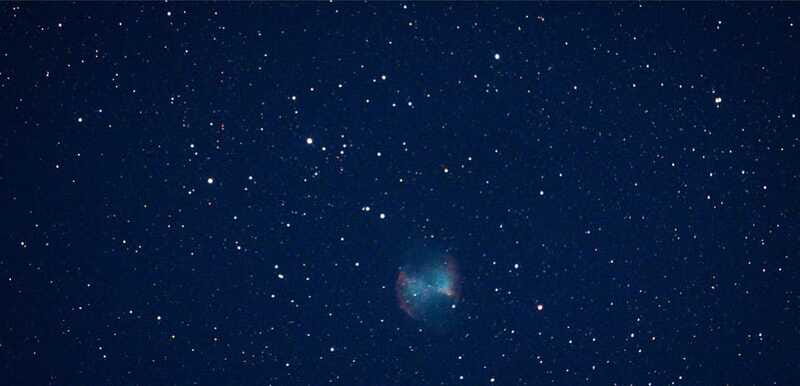
At $102 per person, this is not a cheap add-on to a Jasper holiday. The price includes the dome theatre, optical telescope access, supplied binoculars, the live guide, parking, and the full three-hour format.
I think the price is reasonable when the sky is clear and you use every part of the program. You are paying for instruction, equipment, access to a dark-sky site, and help finding objects that you might miss on your own. The guides also save you from arriving at a dark field with no idea where to look.
The value is less convincing when clouds block the telescope and walking sections. You still receive the indoor presentation and talks, but that is a smaller experience for the same initial booking price. The rain check helps, especially if you will remain in the area or plan to return within two years.
Free parking at Jasper Park Lodge also keeps the logistics simple. Drivers can use parking lots P2, P3, or P4, with P2 closest to the Planetarium. You should still arrive early, since parking and walking through the lodge take time.
Who should book this Jasper astronomy tour?
I would recommend it to families with children aged four and up, first-time stargazers, couples who want a structured evening, and anyone who wants local guidance rather than a quick look at the sky from a hotel parking lot.
It is also a good choice if you like a mix of indoor and outdoor activities. The dome offers protection from poor weather, while the telescope, laser tour, and binocular walk give the evening a clear sense of progress when skies cooperate.
I would be more cautious if you are booking mainly for a large telescope. One disappointing evening involved only a smaller telescope view with little definition, and the cloudy conditions prevented the hoped-for result. The equipment available and the objects visible can vary with conditions.
You should also think twice if walking 480 metres or standing outside is difficult. The experience is not suitable for people with mobility impairments, and the provider asks you to dress for the weather.
Booking, cancellation, and practical details
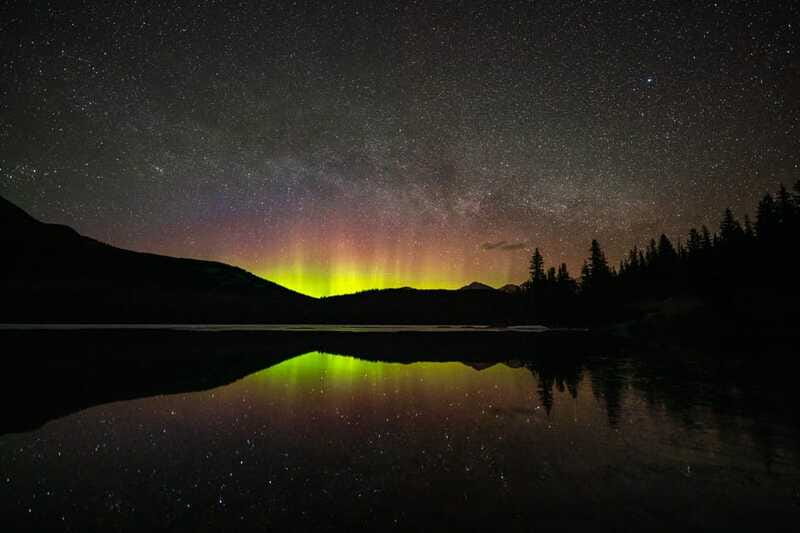
You can cancel up to 24 hours before departure for a full refund. Within 24 hours, you will not receive a refund, though you can change to another available time.
Reserve-now, pay-later booking is available, which helps if you are still arranging your Jasper schedule. It does not remove the weather risk, but it gives you more flexibility before the payment deadline.
Bring warm, weather-appropriate clothing and arrive at the Retail Desk 15 minutes early. Do not bring food or drinks into the experience, and remember that photography and audio recording are not permitted inside the dome.
Should you book the Jasper Planetarium Dark Sky Experience?
Book it if you want a guided introduction to Jasper’s night sky, especially with children or family members who are new to astronomy. The combination of dome theatre, telescopes, laser-guided constellations, binoculars, Indigenous sky knowledge, and live questions gives you more than a single telescope viewing.
Book with care if you have only one evening available or if your sole goal is a close telescope view. Look at the forecast, accept that clouds can cut the outdoor portion, and treat the two-year rain check as an important part of the deal.
My call: this is a worthwhile, well-structured astronomy evening when skies are clear, with unusually fair protection against bad weather. It is not a guaranteed stargazing spectacle, but it is a useful and family-friendly way to learn what you are looking at before stepping into Jasper’s dark sky.
FAQ
How long does the Jasper Planetarium Dark Sky Experience last?
The experience lasts three hours.
What is included in the $102 price?
The price includes admission to the Planetarium Dome Theatre, access to optical telescopes, binoculars for the constellation tour, parking, and a question-and-answer session with the guides.
Where do I check in?
Check in at the Planetarium Retail Desk inside the Main Lodge at Jasper Park Lodge. Walk past the front desk to the southwest corner of the lobby, across from the Emerald Lounge.
How early should I arrive?
You must check in 15 minutes before the tour starts. Late arrivals are not admitted and may be moved to the next available tour, which could be on another day.
How far do I walk during the tour?
The dark-sky viewing site is about 480 metres from the Main Lodge and is reached on foot.
What happens if the sky is cloudy?
The indoor portions and talks can still take place, but clouds may prevent telescope viewing, constellation viewing, or the binocular session. You receive a two-year rain check for any parts that are not clear.
Are children allowed?
The experience is open to all ages except children under four. Children under four cannot enter the Planetarium Dome Theatre, and unaccompanied minors are not permitted.
Is the tour suitable for people with mobility impairments?
No. The experience is not suitable for people with mobility impairments.
Is food or drink provided?
No. Food and drinks are not included, and food and drinks are not allowed during the experience.
Can I cancel my booking?
You can cancel up to 24 hours before departure for a full refund. Within 24 hours, you may change to another time, but a refund is not provided.
Just added around Canada
- Explore the Stars and Universe at Vancouver’s Space Centre★ 3.0 · 4 reviews
- Wildlife Wild Skies: Jasper Planetarium Combo★ 3.0 · 3 reviews
- Banff Night Tour and Stargazing from Canmore or Banff★ 3.5 · 2 reviews
- Canmore: Stargazing and Night Adventure★ 5.0 · 3 reviews
- Jasper: Planetarium Indoor Dome Experience★ 3.9 · 8 reviews
- Night Adventure with possible stargazing and Aurora chasing★ 5.0 · 29 reviews
- Canmore: Stargazing and Nature by Nightfall Walking Tour – 2hr★ 5.0 · 31 reviews
- Sunrise or Sunset/Stargazing Tour at Moraine Lake from Banff★ 4.7 · 50 reviews
Jasper Stargazing Tours, compared.
Jasper: Jasper Planetarium and Telescope Combo Tour Tickets
Read our review →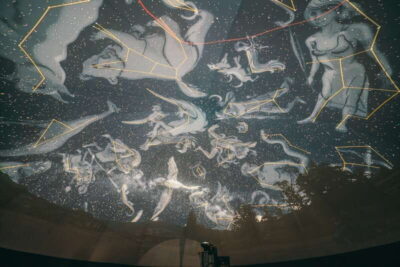
Browse the lists this tour appears in